
Artificial Intelligence in 2026: Beyond Automation, Toward Intelligence
Artificial Intelligence in a New Era
Artificial Intelligence in 2026 is no longer just a technological concept discussed in research labs or science fiction movies. It has become an integral part of everyday life, influencing how people work, learn, communicate, make decisions, and solve problems. From smartphones and healthcare systems to education, finance, transportation, and governance, AI is deeply embedded in modern society.
In earlier years, AI was primarily associated with automation and data processing. By 2026, it has evolved into systems that can reason, adapt, collaborate with humans, and operate responsibly within ethical boundaries. Understanding what AI truly is in 2026 requires moving beyond basic definitions and exploring its capabilities, limitations, and societal impact.
This article provides a comprehensive explanation of Artificial Intelligence as it exists in 2026—what it is, how it works, why it matters, and how it is shaping the future of humanity.
What Is Artificial Intelligence?
Artificial Intelligence refers to the ability of machines and software systems to perform tasks that traditionally require human intelligence. These tasks include learning from experience, understanding language, recognizing patterns, solving problems, making decisions, and adapting to new information.
In 2026, AI is best understood not as a single technology, but as a combination of multiple disciplines working together. These include machine learning, deep learning, natural language processing, computer vision, robotics, and cognitive computing.
AI systems do not “think” like humans in an emotional or conscious sense. Instead, they process vast amounts of data, identify relationships within that data, and generate outputs based on probabilities, rules, and learned patterns.
How Artificial Intelligence Works in 2026
Modern AI systems operate through layered intelligence models that continuously improve over time. Unlike traditional software that follows fixed instructions, AI systems learn from data and feedback.
Core Components of AI Systems
AI in 2026 is built on several foundational components:
Data, which serves as the learning material for AI systems
Algorithms, which define how data is analyzed and interpreted
Models, which are trained systems capable of making predictions or decisions
Feedback loops, which help AI improve accuracy over time
Advanced AI systems now incorporate real-time learning, allowing them to adapt dynamically rather than waiting for manual updates.
Latest Article
make your brand with us
Have Additional Questions?
- old panvel
- mysha1818@gmail.com
- 9137170760
- www.rightclick.com
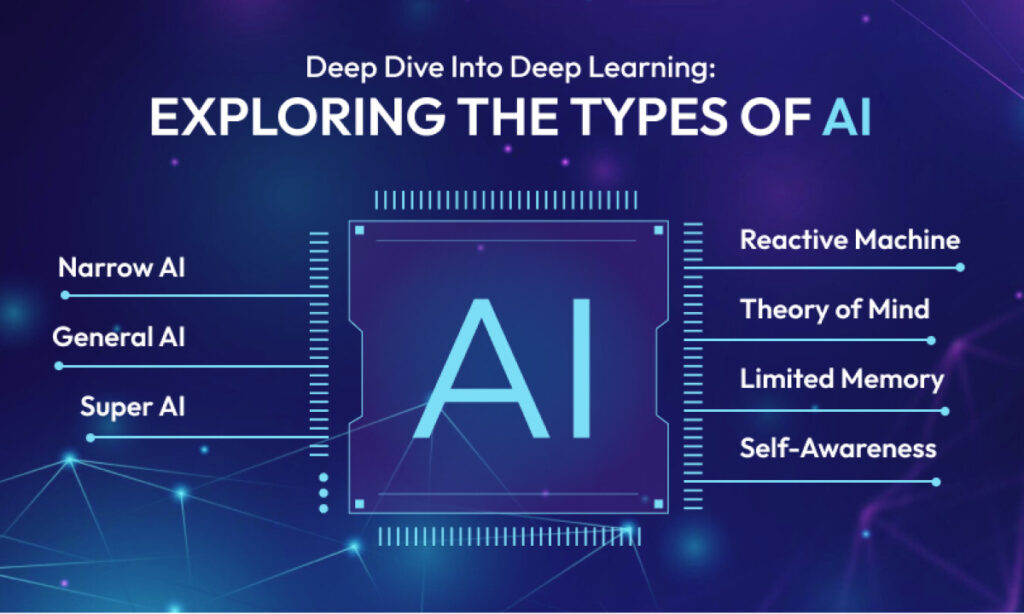
Types of Artificial Intelligence in 2026
Artificial Intelligence is broadly categorized based on capability and intelligence level.
Narrow AI (Weak AI)
Narrow AI is designed to perform specific tasks efficiently. In 2026, most AI systems fall under this category. Examples include voice assistants, recommendation engines, facial recognition systems, and autonomous navigation tools.
These systems excel at their designated tasks but cannot operate beyond their defined scope.
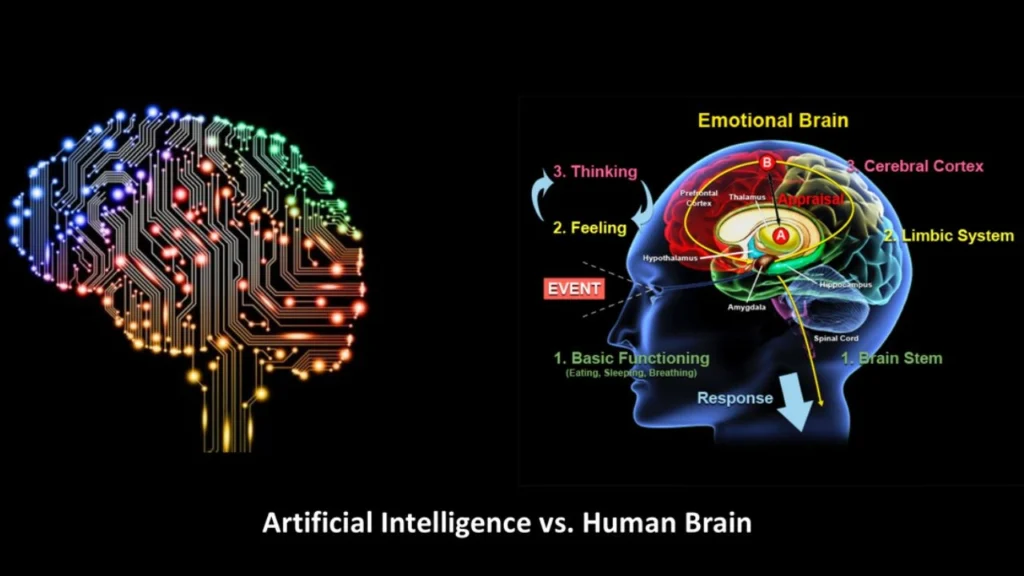
Artificial Intelligence vs Human Intelligence
While AI can outperform humans in speed, accuracy, and data processing, it differs fundamentally from human intelligence.
Human intelligence is shaped by emotions, intuition, ethics, creativity, and lived experiences. AI, on the other hand, relies entirely on data, logic, and programmed objectives.
In 2026, the most successful applications of AI are those that complement human intelligence rather than attempt to replace it. This collaboration between humans and AI is often referred to as
“augmented intelligence.”
Key Capabilities of Artificial Intelligence in 2026
AI systems in 2026 demonstrate a wide range of advanced capabilities that were limited or experimental just a few years earlier.
Learning and Adaptation
AI can learn from structured and unstructured data, improving performance over time without explicit reprogramming.
Language Understanding
Natural language processing has reached a stage where AI can understand context, tone, and intent across multiple languages, enabling more natural human-machine interaction.
Visual and Sensory Perception
Computer vision systems can interpret images, videos, and real-world environments with high accuracy, supporting applications in healthcare, security, and transportation.
Decision-Making and Prediction
AI systems can analyze complex scenarios, evaluate multiple variables, and recommend optimal decisions based on predictive modeling.
Artificial Intelligence in Everyday Life (2026 Reality)
People interact with AI through smart devices, virtual assistants, personalized learning platforms, health monitoring systems, and intelligent transportation networks. AI helps manage schedules, optimize energy usage, recommend content, detect fraud, and enhance accessibility for individuals with disabilities.
What makes AI in 2026 unique is its seamless integration into life rather than its visibility.
Artificial Intelligence in Education
People interact with AI through smart devices, virtual assistants, personalized learning platforms, health monitoring systems, and intelligent transportation networks. AI helps manage schedules, optimize energy usage, recommend content, detect fraud, and enhance accessibility for individuals with disabilities.
What makes AI in 2026 unique is its seamless integration into life rather than its visibility.
Artificial Intelligence in Everyday Life (2026 Reality)
AI-driven education systems personalize learning paths based on individual strengths, weaknesses, and learning styles. Students receive adaptive assessments, real-time feedback, and customized resources.
Teachers use AI tools to reduce administrative workload and focus more on mentoring and creativity. AI does not replace educators but enhances the learning ecosystem.
Artificial Intelligence in Healthcare
Healthcare has seen one of the most profound transformations due to AI. AI systems assist in early disease detection, medical imaging analysis, treatment planning, and patient monitoring.
In 2026, AI supports doctors by providing data-driven insights while leaving final decisions to human professionals. This human-AI collaboration improves accuracy, efficiency, and patient outcomes.
The Future Direction of Artificial Intelligence Beyond 2026
AI development is moving toward more explainable, human-aligned, and collaborative systems. The focus is shifting from raw power to trust, safety, and societal benefit.
Future AI systems will prioritize transparency, inclusivity, and sustainability.
Conclusion: What Artificial Intelligence Truly Means in 2026
Artificial Intelligence in 2026 represents a powerful tool that amplifies human capability rather than replaces it. It is a technology shaped by human choices, values, and responsibility.
Understanding AI today is not about learning how machines work alone—it is about understanding how humans and machines can grow together. Those who approach AI with curiosity, ethics, and adaptability will be best prepared for the future.
Artificial Intelligence is not the end of human intelligence. It is a new chapter in how intelligence itself is expressed.